
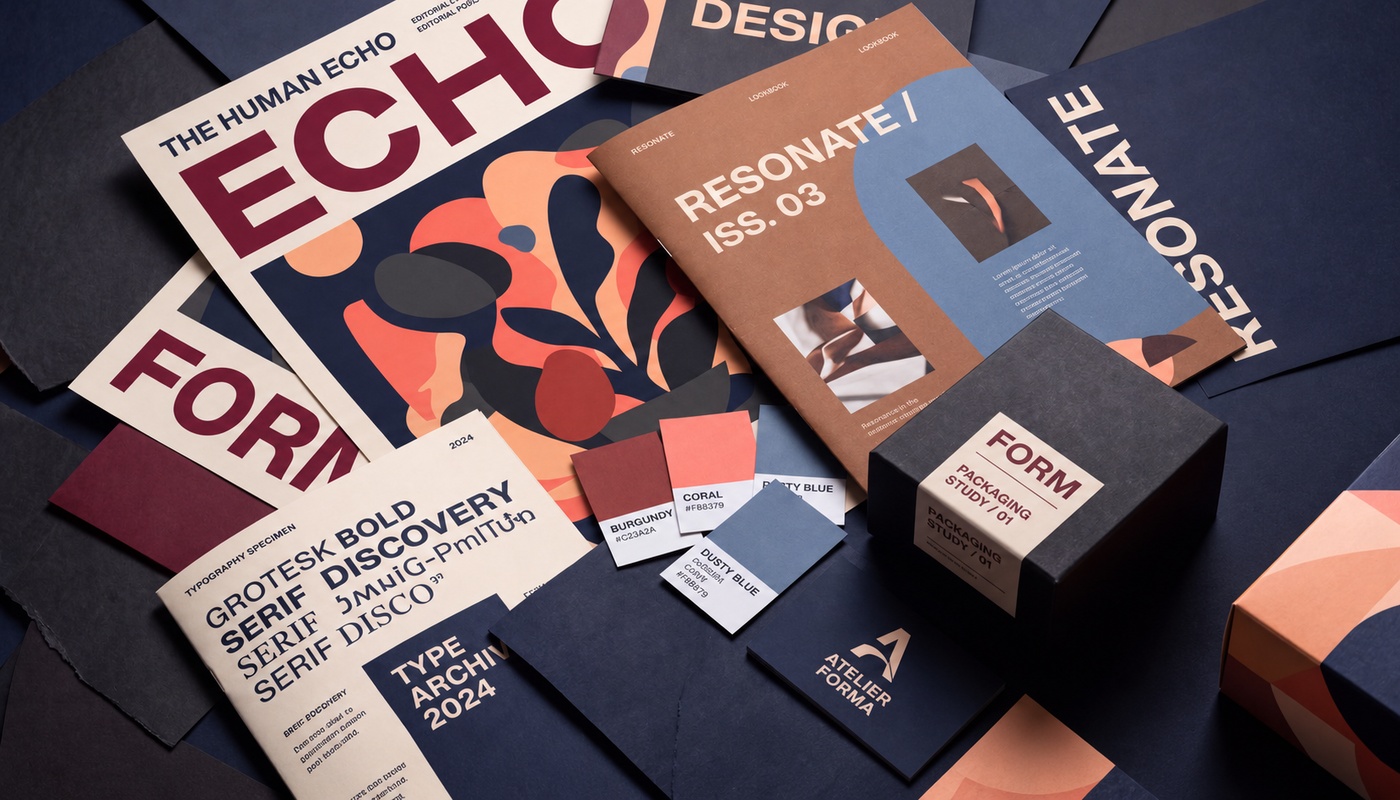










- →Pre-built marketplace templates are architected to satisfy every conceivable use case, introducing massive CSS and JavaScript bloat that cripples mobile performance.
- →Custom-engineered websites ship only the exact styles and scripts required, delivering pristine Core Web Vitals scores and sub-second load times.
- →Template modifications routinely cost more in developer hourly workarounds than building a bespoke, modular design system from the outset.
- →Choose a template strictly for pre-traction concept testing; choose custom architecture when your digital presence drives core enterprise revenue.
The modern web development landscape presents a persistent dilemma for business leaders: should you deploy an off-the-shelf theme from a commercial marketplace, or invest in a custom-engineered design system?
At first glance, marketplace templates appear irresistibly cost-effective. For $59 to $199, an organization can download a complete website package boasting dozens of pre-designed page layouts, visual sliders, and interactive widgets. Marketing managers see an instant solution that appears to bypass weeks of discovery and custom design.
However, software engineering has a fundamental rule: code that attempts to solve every problem for everyone solves no specific problem well. When organizations analyze the total cost of ownership over a two-year horizon, pre-packaged themes frequently turn out to be the most expensive technical decision a business can make.
The Architectural Compromise: Why Templates Bloat
To maximize sales on digital marketplaces, theme developers must accommodate an enormous variety of niche use cases: corporate portals, e-commerce stores, creative portfolios, and medical clinics.
To accomplish this universal flexibility, a commercial template bundles hundreds of external libraries, complex option panels, and massive monolithic stylesheets. Even if your company only uses a single headline and a contact form on your landing page, the browser is still forced to download, parse, and execute megabytes of unused code.
According to industry data documented by HTTP Archive on script execution costs, JavaScript remains the single most expensive asset category on the web. Heavy JavaScript execution blocks the main browser thread, directly harming the Interaction to Next Paint (INP) metric and causing noticeable lag when users attempt to tap menus or fill out forms.
Head-to-Head Comparison: Custom vs. Pre-Built Themes
| Technical Dimension | Pre-Built Commercial Template | Custom-Engineered Architecture |
|---|---|---|
| Initial Delivery Time | 3 to 7 business days | 4 to 8 weeks |
| Upfront Financial Cost | $500 to $3,500 | $15,000 to $50,000+ |
| Code Weight and Asset Payload | 3.0 MB to 6.0 MB (High Bloat) | 250 KB to 600 KB (Tree-Shaken) |
| Mobile Core Web Vitals | Typically 30 to 65 (Fails Google audits) | Consistently 92 to 100 (Passes audits) |
| Design Differentiation | Shared with thousands of generic sites | 100% bespoke to your brand positioning |
| Security Risk Exposure | High (Vulnerable bundled plugins) | Minimal (No redundant third-party dependencies) |
| Long-Term Agility | Low (Modifications break theme updates) | Unlimited (Clean modular component tokens) |
The 3 Hidden Penalties of Commercial Templates
1. The Customization Paradox
The moment your marketing team asks to alter a template's default layout, change the breakpoint physics, or re-order checkout elements, the apparent cost advantage of a template evaporates. Because commercial templates are tightly coupled to proprietary visual builders or rigid CSS grids, modifying their underlying logic requires hacky overrides, !important declarations, and fragile JavaScript wrappers.
Developers spend hours fighting against the template's opinionated architecture, quickly billing more in troubleshooting hours than a clean, custom build would have cost.
2. Cognitive Overload and Conversion Erosion
Templates are designed to look impressive in static demo previews by stuffing hero sections with auto-playing video carousels, animated counters, and spinning icons. However, extensive usability research published by Nielsen Norman Group on reading behavior demonstrates that users scan web pages in rapid F-patterns, actively filtering out visual distractions to find concise answers.
Custom design prioritizes cognitive flow: clear visual hierarchy, generous negative space, intentional typographic contrast, and frictionless conversion pathways.

3. Update Fragility and Abandonware Risk
Commercial themes rely on dozens of bundled third-party plugins for sliders, shortcodes, and forms. When WordPress or modern browsers release core security updates, template developers frequently take months to publish compatibility patches. In worst-case scenarios, the theme author abandons the marketplace altogether, leaving your organization trapped on an unpatchable, vulnerable codebase.
When is a Template Actually the Right Business Decision?
A custom-engineered website is an investment that requires deliberate capital planning. A commercial template remains a rational choice under specific operational circumstances:
- Pre-Seed Idea Validation: When testing whether a market cares about an offering before raising capital or building product.
- Micro-Budget Constraints: When total available capital for web development is strictly under $5,000.
- Short-Lived Temporary Projects: For internal company events, regional pop-ups, or single-day hackathons where long-term SEO and conversion durability are irrelevant.
The Modern Alternative: Reusable Design Systems
For growing companies that cannot wait six months for traditional agency development, the modern industry standard is neither an unmaintainable template nor a monolithic ground-up rewrite.
Leading product studios build with modular design systems utilizing platforms like Webflow or modern headless component libraries. By defining typographic tokens, color variables, and reusable UI components in Figma first, marketing teams gain total visual agility while front-end engineers ensure pristine performance standards.
Frequently Asked Questions
Can a template website be optimized to pass Google Core Web Vitals?
With extreme asset minification, critical CSS extraction, and aggressive caching, you can improve a template's performance. However, because you cannot remove the underlying framework dependencies and excessive DOM nesting without breaking the theme, achieving top-tier mobile scores remains extraordinarily difficult.
Is custom web design only suitable for enterprise corporations?
No. Growth-stage companies with $1M to $10M in revenue frequently benefit the most from custom architecture, because their conversion rates and search rankings directly influence customer acquisition costs and pipeline velocity.
How does custom code improve organic search rankings?
Custom websites produce clean semantic HTML5 markup, structured schema hierarchies, and fast load speeds that make it effortless for search engine bots to crawl, index, and rank your content, as outlined in Google Search Central technical guidelines.
The Strategic Recommendation
A pre-built template is a short-term rental; a custom-engineered design system is an enterprise asset. If your digital platform is central to your sales pipeline, invest in bespoke architecture that reflects your unique market positioning and delivers uncompromising speed.