









- →Uncontrolled adoption of generative AI tools leads to aesthetic genericization, hallucinated brand geometries, and catastrophic brand trust erosion.
- →Establishing explicit AI creative quality standards across brand fidelity, typographic rigor, and lighting continuity is mandatory before scaling asset volume.
- →Deploy a six-dimensional quality scorecard that separates mechanical asset generation from human creative direction and curation.
- →The highest-velocity creative studios do not replace designers with AI; they augment senior art directors with brand-grounded generative pipelines.
Generative artificial intelligence has democratized the ability to produce visual assets at near-zero marginal cost. Marketing teams that once required three weeks to render twenty campaign variants can now generate two thousand concept images in thirty minutes.
However, as creative production velocity increases by orders of magnitude, enterprise brands face an existential quality crisis.
When marketing organizations flood their social feeds, advertising channels, and landing pages with unvetted, raw generative outputs, an insidious pattern emerges: plastic skin textures, anatomical glitches, generic stock metaphors, and hallucinated brand colors. What was intended to accelerate market presence ends up cheapening the brand in the eyes of institutional buyers.
As demonstrated in enterprise creative engineering benchmarks, the secret to winning with generative AI is not discovering a magic prompt. The secret is establishing rigorous creative quality standards first, and then building those standards directly into your workflows, brand systems, and human review gates.
The Volume Trap: Why AI Without Standards Destroys Brand Equity
In traditional creative production, physical constraints (time, labor, render budgets) served as an involuntary quality filter. Because producing an asset was expensive, teams debated its composition, lighting, and brand alignment carefully.
When generative AI eliminates production friction, the natural bottleneck shifts from generation to curation. Without explicit quality scorecards, teams default to shipping "good enough" assets that look superficially polished but lack emotional resonance, conceptual wit, and brand authenticity.
Enterprise analysis by Gartner on generative AI in marketing operations indicates that by 2026, 80% of enterprise creative organizations will mandate formal AI governance frameworks to prevent brand dilution and copyright exposure.
The Six Dimensions of AI Creative Quality Standards
To operationalize creative review at scale, high-performing studios evaluate every AI-generated asset across six objective dimensions:
1. Brand Geometry and Color Fidelity
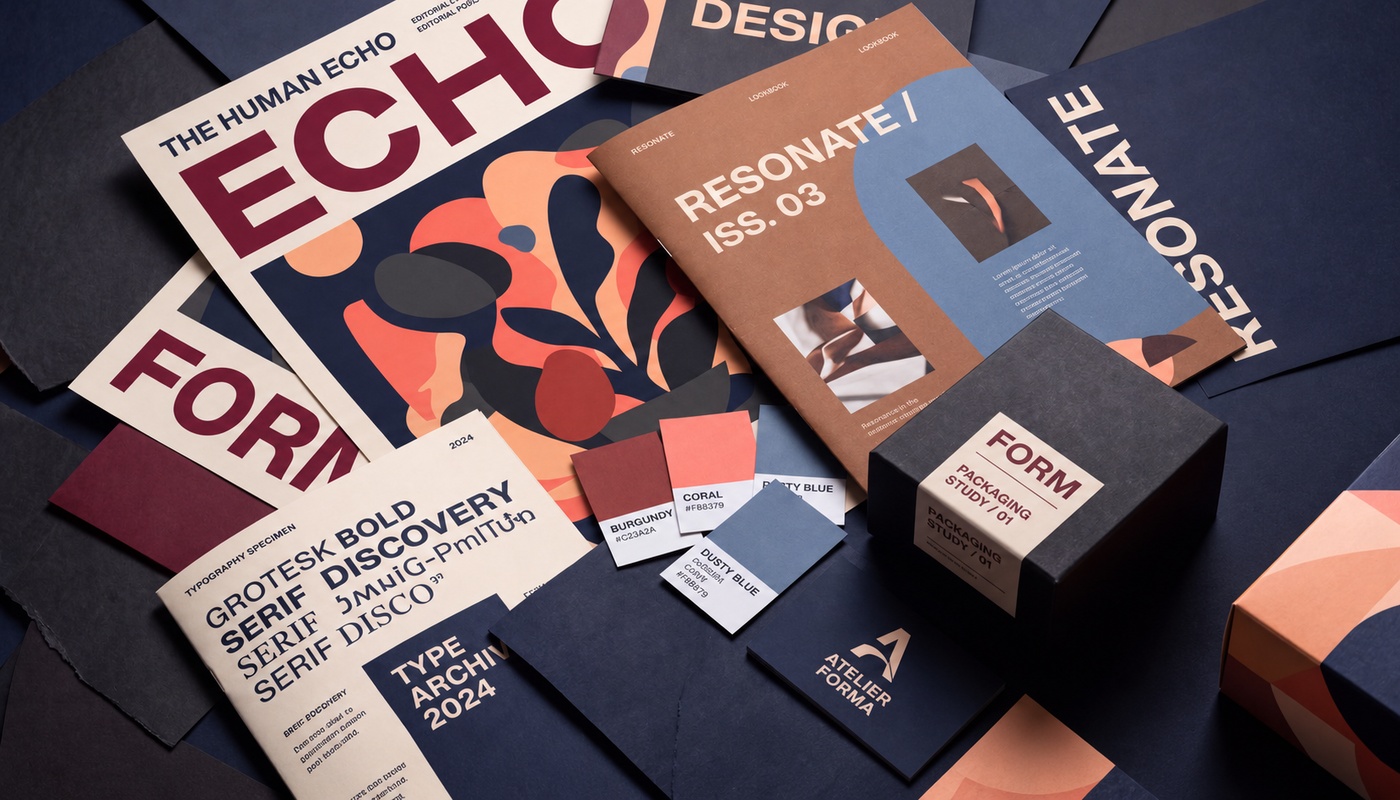
Raw AI models do not understand corporate Pantone colors or brand geometry. They approximate colors based on generic web training data, turning your signature warm terracotta into harsh traffic-cone orange. Quality standards require strict post-generation color grading against defined hex tokens.
2. Anatomical and Physical Plausibility
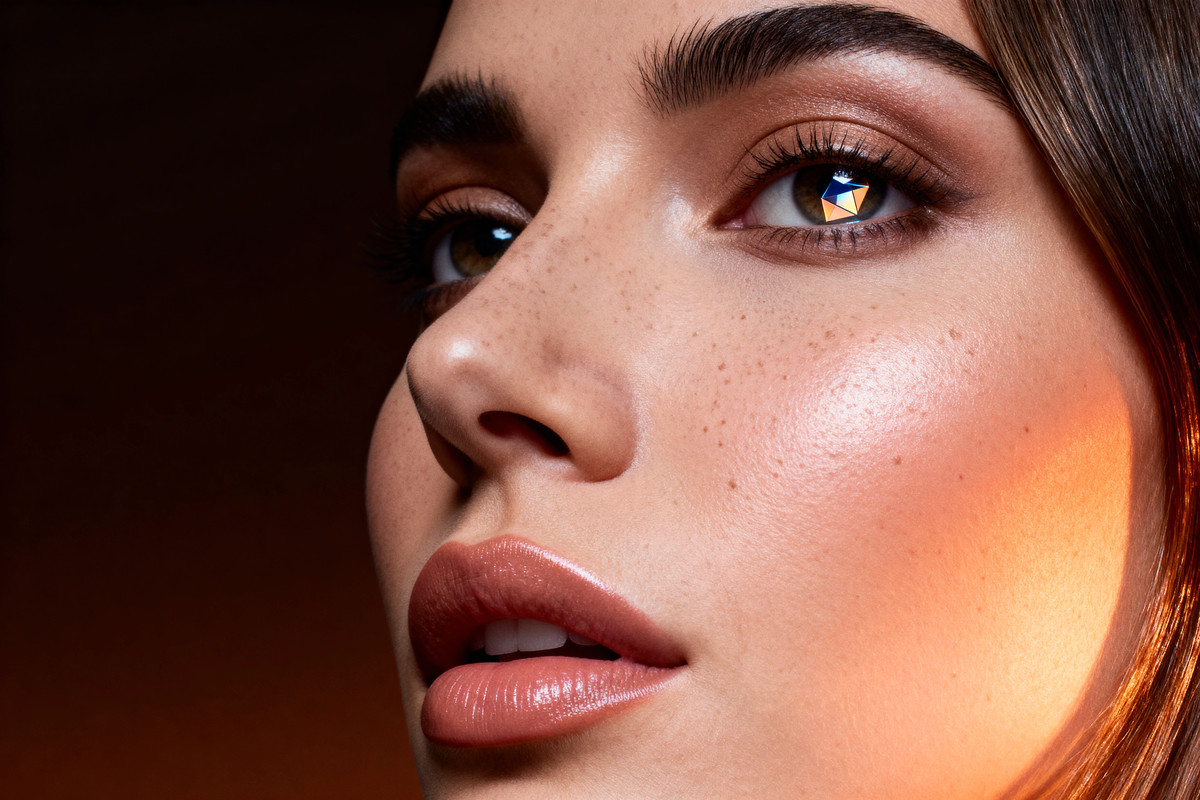
Inspect fingers, eyes, shadows, reflections, and physics. While generative models have improved significantly, micro-glitches: floating objects, unnatural skin subsurface scattering, and impossible shadows, immediately trigger the "uncanny valley" response in viewers, destroying trust.
3. Typographic and Textual Rigor
Generative image engines struggle with precise typographic layout, kerning, and hierarchy. Never rely on an image model to generate your text. High-performance pipelines isolate image generation to background and photographic elements, overlaying vector typography and brand marks cleanly in Figma or code.
4. Semantic Intent and Narrative Depth
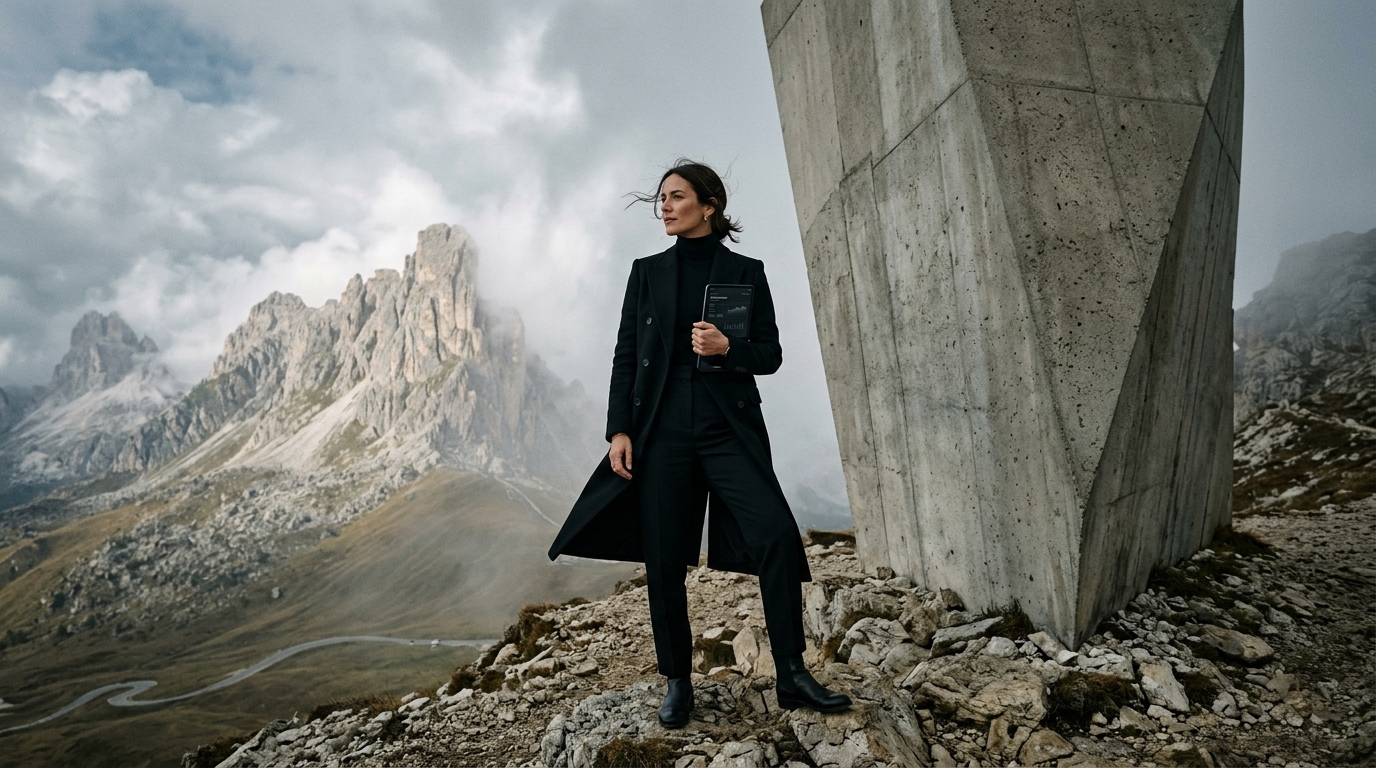
Does the visual communicate a substantive idea, or is it just pretty decorative wallpaper? Generic AI images of glowing blue digital brains or businessmen shaking hands on mountaintops communicate zero differentiated value. Great art direction requires conceptual wit and narrative specificity.
5. Ethical Compliance and Commercial Safety
Verify that training data inputs, negative prompt guardrails, and reference images do not infringe on proprietary artist styles, violate copyright guidelines, or introduce bias into enterprise brand communications.
6. Platform-Specific Technical Optimization
An image optimized for a mobile Instagram story requires different contrast, focal composition, and compression settings than a hero banner on an enterprise desktop homepage adhering to Web.dev performance standards.
The Quality Scorecard: Operationalizing the Review Gate
Before any AI-augmented asset is published to staging or production, it must pass a structured quality rubric:
| Evaluative Criteria | Minimum Passing Standard | Common Failure Mode |
|---|---|---|
| Brand Color Compliance | Primary hex values match brand tokens | Hallucinated saturated neon gradients |
| Photorealistic Lighting | Single coherent natural light source | Clashing multiple artificial shadow angles |
| Typographic Purity | Clean vector rendering from Figma system | Distorted or misspelled AI-generated text |
| Concept Differentiation | Unique editorial metaphor | Cliché futuristic robot / glowing globe |
| Resolution & Sharpness | Crisp 4K upscale without smoothing artifacts | Muddy facial features or wax skin textures |
Building the Human-in-the-Loop Studio Architecture
The most successful creative teams do not view AI as a replacement for human taste. They view AI as an amplifier of human taste.
In the Anika studio model:
- Senior Art Direction (Human): Conceives the conceptual strategy, emotional tone, and narrative metaphor.
- Generative Synthesis (Machine): Rapidly explores hundreds of lighting, composition, and textural iterations in minutes using brand-trained style weights.
- Curation and Assembly (Human): Senior designers select the strongest concepts, correct micro-artifacts in Photoshop, and integrate vector typography in Figma.
- Engineering Deployment (Code): Optimized components are exported as lightweight WebP assets and deployed into production systems.
Frequently Asked Questions
Can an enterprise build proprietary AI models on its own brand assets?
Yes. By fine-tuning Low-Rank Adaptation (LoRA) weights or creating custom style embeddings on your company's historical photo shoots, color schemes, and packaging guidelines, generative models can be taught your exact brand aesthetic.
How does having creative quality standards speed up production?
Clear quality standards eliminate ambiguity. When designers, copywriters, and executives share an objective scorecard, subjective review debates are replaced with clear criteria, cutting approval cycles from days to minutes.
What is the biggest mistake companies make with generative AI creative?
Delegating final approval to automated tools or junior staff without senior art direction. Without experienced creative taste at the helm, generative AI simply produces vast quantities of high-resolution mediocrity.
The Strategic Recommendation
In an era of infinite generative volume, human taste and architectural rigor become the ultimate competitive moat. Define your creative quality standards before you scale your tools, and build a studio culture where machine velocity serves unapologetic design excellence.